The honest answer is somewhere between one and ten years, depending on the coating chemistry, the prep work underneath it, the environment the car lives in, and how the vehicle is washed. Marketing numbers and real-world numbers rarely line up — here's the realistic breakdown.
Realistic lifespans by tier
| Coating Tier | Marketed Life | Realistic Life |
|---|---|---|
| DIY spray sealant | 12 months | 3–6 months |
| Entry pro single-layer | 2 years | 12–18 months |
| Mid pro 2-layer (IGL/CarPro) | 5 years | 3–4 years |
| Premium multi-layer (Magnum/Gtech) | 7–10 years | 5–7 years |
What actually kills a coating
Coatings don't fail evenly. The horizontal panels — bonnet, roof, boot — degrade two to three times faster than vertical panels because they take the full UV load and pool water during rain. By year three, the bonnet of a daily driver is usually doing 50% of the hydrophobic work the doors are still doing.
- Automatic brush car washes (the single fastest way to destroy a coating)
- Drying with anything other than a clean microfibre
- Harsh alkaline degreasers used at full strength
- Skipping the maintenance wash schedule
- Bird droppings or tree sap left on the paint for days
- Parking under sap-dropping trees during summer
How to extend coating life
Two-bucket hand wash every two to three weeks with a pH-neutral shampoo, decontamination wash every six months, and a top-up SiO2 spray sealant every four to six months. Done correctly, a 5-year coating will outlast its warranty.
When to recoat
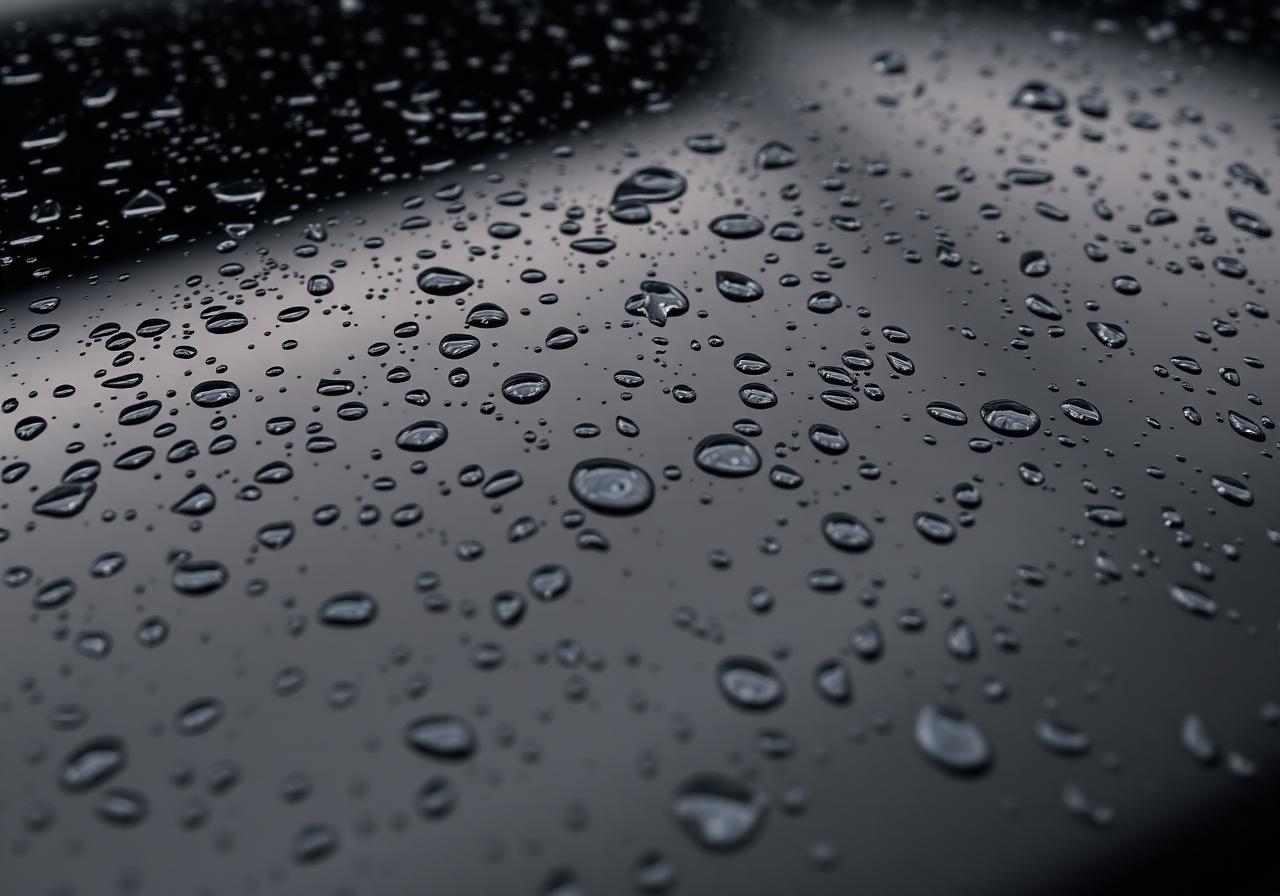
If water no longer beads tightly on the bonnet and roof, and a fresh wash leaves the paint feeling rough rather than slick, the coating is past its useful life. At that point a top-up won't save it — strip back, correct any new defects, and apply a fresh layer.
Ready to book?
Get a free quote